
Table of Contents
- How to Choose the Best Coffee Beans for Home Brewing
- Best Coffee Beans for Pour Over
- Best Coffee Beans for Drip Coffee
- Best Coffee Beans for Espresso
- Best Coffee Beans for Cold Brew
- Freshness, Storage, and What the Roast Date Tells You
- Grind Size, Water, and Recipe Variables That Change Everything
- Budget and Value: What You Get at Each Price Point
- Frequently Asked Questions
Last Updated: October 7, 2026
How to Choose the Best Coffee Beans for Home Brewing
The best coffee beans for home brewing are fresh, whole bean coffees matched to your brewing method, roast preference, and budget. At Renegade Coffee, we roast locally, and the same three variables decide it: roast level, origin style, and roast date.
Here’s the part most guides skip. A $22 bag of light-roast Ethiopian beans will taste thin and sour in a drip machine and extraordinary in a pour-over. The bean isn’t better or worse. It’s matched or mismatched.
Below, we break down how to choose the best coffee beans for home brewing method by method, what freshness actually means, and where your money goes at each price point.
Roast Level and What It Does to Flavor
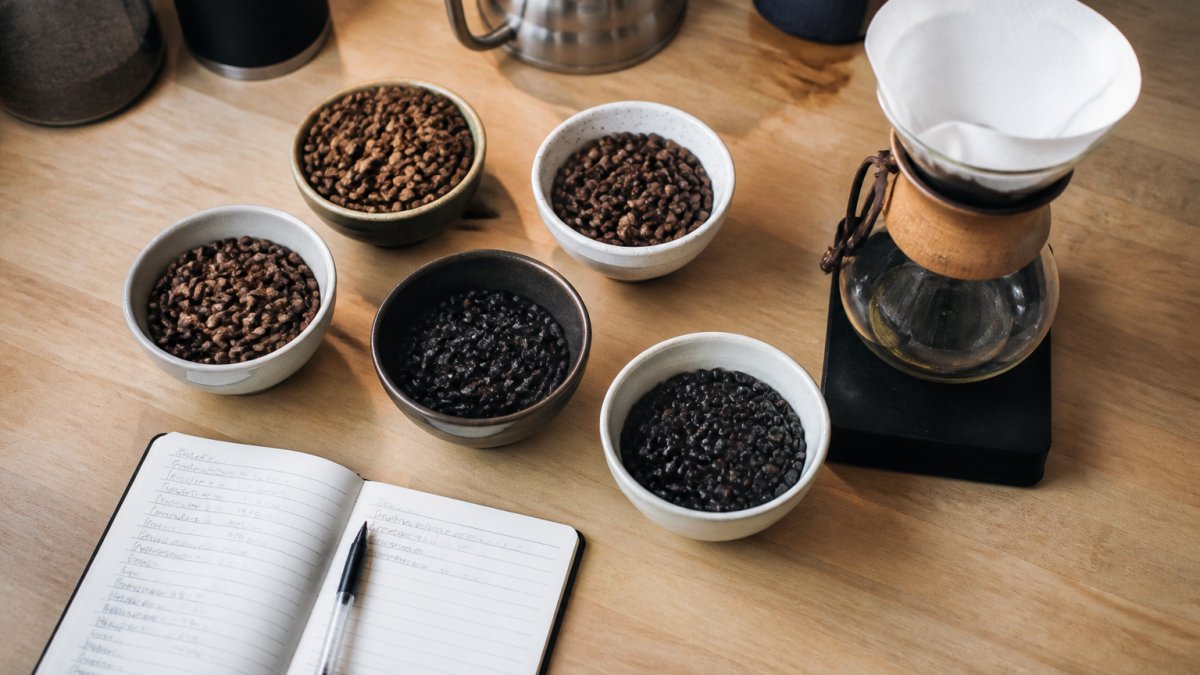
Roast level is how far the roaster takes the bean past first crack, and it determines how much of the origin’s character survives in your cup.
Light roasts keep more acidity, fruit, and floral notes. They taste bright and clean, and they punish bad brewing. Medium roasts balance sweetness and body, which is why they work across almost every method. Dark roasts push toward chocolate, caramel, and smoke, with lower acidity and heavier body. The trade-off: push too dark and you taste the roast, not the coffee.
If you’re unsure where to start, medium roast is the safest bet for a home coffee machine. It forgives small mistakes in grind size and water temperature that would flatten a light roast.
Single Origin vs. Blends: Which One Fits Your Routine
Single-origin coffee comes from one country, region, or farm, so it tastes like a specific place. Blends combine beans from multiple origins, built by the roaster for consistency and balance.
Single origins are for drinkers who want to taste regional characteristics: the citrus and floral notes of Ethiopia, the blackcurrant acidity of Kenya, the caramel and red apple of Colombia, the cocoa of Guatemala. They’re also less consistent bag to bag, because harvests change.
Blends are for routine. A good espresso blend tastes nearly the same in March and October, which matters when you’re pulling a shot before work. If you drink the same cup every morning and want it to stay that way, buy a blend.
Ask your roaster which beans they’d brew at home that week. Roasters rotate lots constantly, and the freshest, best-performing option is rarely the one printed on the shelf tag.
Best Coffee Beans for Pour Over
The best coffee beans for pour over are light to medium roasts from single origins, especially washed African coffees. Pour-over rewards clarity, so you want beans with something interesting to show.
Look for Ethiopia and Kenya for bright, tea-like cups with noticeable acidity. Colombia and Guatemala work when you want balance with a little more sweetness and body. A medium roast Ethiopian will taste like blueberries; the same bean roasted dark tastes like toast.
Grind matters as much as the bean here. Pour-over needs a medium grind, close to table salt. Too fine and the water stalls, pulling bitterness. Too coarse and the water runs straight through, leaving a weak, sour cup.
Our pick: a light or medium washed Ethiopian, ground medium, brewed at a 1:16 coffee-to-water ratio. It’s the combination that shows new pour-over drinkers why the method has fans.
Best Coffee Beans for Drip Coffee
The best coffee beans for drip coffee are medium roasts, either single origin or blend, ground medium-coarse. Drip brewers are forgiving, and medium roast gives you sweetness and body without demanding precision.
This is where blends earn their keep. A medium blend built for balance tastes consistent through a $40 machine and a $400 one. If you drink two or three cups a day, a blend is also the more economical choice, since you’re not paying single-origin premiums for a cup you’re drinking fast.
Avoid very light roasts in a standard drip machine. Most home brewers don’t reach the water temperature that a light roast needs to extract properly, and the result tastes sour and thin.
Specialty Coffee Association brewing standards outline the water temperature and ratio targets that most home drip machines miss out of the box.
Best Coffee Beans for Espresso
The best coffee beans for espresso are medium to medium-dark roasts, often blends, ground fine. Espresso pushes water through coffee at pressure, so it amplifies everything: sweetness, body, and any defect.
Blends dominate here for a reason. A roaster can combine a base bean for body, an origin for sweetness, and a brighter coffee for acidity, then keep that recipe stable. Single-origin espresso can be excellent, particularly Brazilian and Colombian beans with natural sweetness, but expect more variation between bags.
Grind size is unforgiving. Espresso needs a fine grind, and small adjustments change extraction time noticeably. If your shots run in 15 seconds, the grind is too coarse. If they choke the machine past 35 seconds, it’s too fine.
Stale beans are the most common cause of bad espresso at home. Beans past their roast date by more than a few weeks lose the CO2 that creates crema, and no grind adjustment fixes it.
Best Coffee Beans for Cold Brew
The best coffee beans for cold brew are medium to dark roasts with chocolate and nut notes, ground coarse. Cold water extracts slowly and gently, so bright acidity fades and heavier flavors come forward.
Coarse grind is non-negotiable. Cold brew steeps for 12 to 18 hours, and a fine grind turns the whole batch muddy and bitter. Think coarse sea salt, not sand.
Dark roasts shine here because their chocolate and caramel notes concentrate well over a long steep. If you like cold brew with milk or cream, a dark roast holds its flavor instead of disappearing. Lighter roasts can work, but you’ll want a longer steep and a finer grind than usual to pull enough sweetness out.
Freshness, Storage, and What the Roast Date Tells You
Freshness is the single biggest quality variable in home brewing, and the roast date is the only label that tells you the truth.
Whole bean coffee peaks roughly 4 to 14 days after roasting. Before that, it’s still releasing CO2 and brews unevenly, a phenomenon home brewers call “degassing.” After a few weeks, it flattens.
How to read a bag in the store. Look for a printed roast date (not just a month and year). If the bag only shows a best-by date, treat it as an older lot.
How much to buy. Match your bag size to your drinking pace. A common pattern is one 12-ounce bag per person per two weeks for a single daily cup, or one 2-pound bag per month for a two-cup household.
How to store it. Store beans in an airtight, opaque container, away from light, heat, and moisture. Skip the fridge, where odors and condensation do damage.
USDA food storage guidance confirms that moisture and odor absorption are the main threats to stored dry goods, which applies directly to coffee.
Decaf and caffeine preferences. Decaf is not a compromise if you buy it fresh.
Ask your roaster for the roast date on the bag you’re buying, not the shelf. If they can’t tell you, that’s your answer about how fresh it is.
Grind Size, Water, and Recipe Variables That Change Everything
Grind size, water quality, and brew ratio change your cup more than the bag does. Get these wrong and even great beans taste ordinary.
Grind size, matched to method. Fine for espresso, medium for pour-over and drip, coarse for French press and cold brew. The mechanism matters: finer grinds expose more surface area, so water extracts faster and pulls more bitterness; coarser grinds slow extraction and leave more acidity behind.
Water. Water is roughly 98% of your cup, so it has to taste clean and neutral. If your tap water tastes like chlorine, your coffee will too.
Dose and ratio. Brew ratio is the weight of coffee to water. Weigh in grams, not scoops, a scoop of light roast and a scoop of dark roast weigh different amounts.
Temperature. Most home drip machines brew below the ideal range. Target roughly 195°F to 205°F for most methods; cooler water under-extracts light roasts, and boiling water can scorch a delicate one.
Troubleshoot one variable at a time. Change grind, then taste. Change ratio, then taste. Changing three things at once tells you nothing.
| Problem | Likely Cause | Fix |
|---|---|---|
| Sour, thin cup | Under-extracted | Grind finer, raise temp, or brew longer |
| Bitter, harsh cup | Over-extracted | Grind coarser, lower temp, or shorten brew |
| Weak but bitter | Too coarse, too hot | Tighten grind, lower temp |
| Muddy cold brew | Grind too fine | Switch to coarse grind |
| Flat, dull cup | Stale beans or soft water | Check roast date, switch water |
Buy the bean for the method, then dial in grind, water, and ratio. The bag sets the ceiling; your recipe decides how close you get to it.
Budget and Value: What You Get at Each Price Point
Higher prices buy freshness, traceability, and better lots, not magic. The gap between a commodity bag and a specialty bag is real; the gap between two specialty bags is often smaller than the price difference suggests.
At the lower end, you’re usually getting blends and older roast dates. In the middle, you find fresh single origins and well-built blends with printed roast dates. At the top, you’re paying for micro-lots, competition coffees, and named farms.
The highest-value move for most home brewers is simple: buy fresh, whole bean coffee from a local roaster in the quantity you’ll drink in two to three weeks. You get a roast date you can trust, and you skip the shipping time that ages beans before they reach you.
Freshness beats price. A moderately priced bag roasted last week will out-brew an expensive bag roasted three months ago, every time.
Choosing the best coffee beans for home brewing comes down to matching roast, origin, and freshness to how you actually brew. That’s harder to do online, where you can’t check a roast date before buying.
At Renegade Coffee, we roast locally and serve our coffee fresh, with made-to-order breakfast and lunch alongside it. Order online or stop in and we’ll help you pick the right bag for your setup.
Frequently Asked Questions
Should I buy whole-bean or pre-ground coffee for home brewing?
Whole bean coffee holds its flavor far longer than pre-ground because the oils and aromatics stay sealed inside the bean. Once you grind, the clock starts ticking fast and much of the character fades within days. If you brew at home even a few times a week, a basic burr grinder plus whole bean coffee is the single biggest upgrade you can make. If you truly cannot grind fresh, buy small bags from a local roaster and use them within a week or two.
How fresh should coffee beans be for home brewing?
Look for a roast date printed on the bag, not just a best-by date. Most beans hit their sweet spot roughly 4 to 14 days after roasting, and they stay enjoyable for about four to six weeks if stored properly. Beans roasted months ago taste flat no matter how good the origin was. Store them in an airtight container away from light, heat, and moisture, and skip the fridge or freezer unless you are storing a large backup supply.
Which coffee beans work best for pour-over?
Pour-over rewards beans with clarity and acidity, so light to medium roasts from single-origin growing regions tend to shine. Ethiopian and Kenyan coffees often bring bright, fruity, tea-like notes that a pour-over cone can highlight. A medium grind similar to sea salt, a steady pour, and water just off a boil will get you a clean cup. If you prefer something rounder and less acidic, a medium roast from Colombia or Guatemala is a safe starting point.
Is dark roast coffee stronger than light roast?
Dark roast tastes bolder and smokier, but it does not contain more caffeine by weight. During roasting, caffeine stays largely intact while the bean loses moisture and mass, so a dark roast bean can actually weigh less than a light roast bean of the same size. If you measure by scoop, the difference is small enough that flavor, not caffeine, should decide which roast you buy. Choose dark for deep, bittersweet notes and light for brighter acidity and more origin character.